


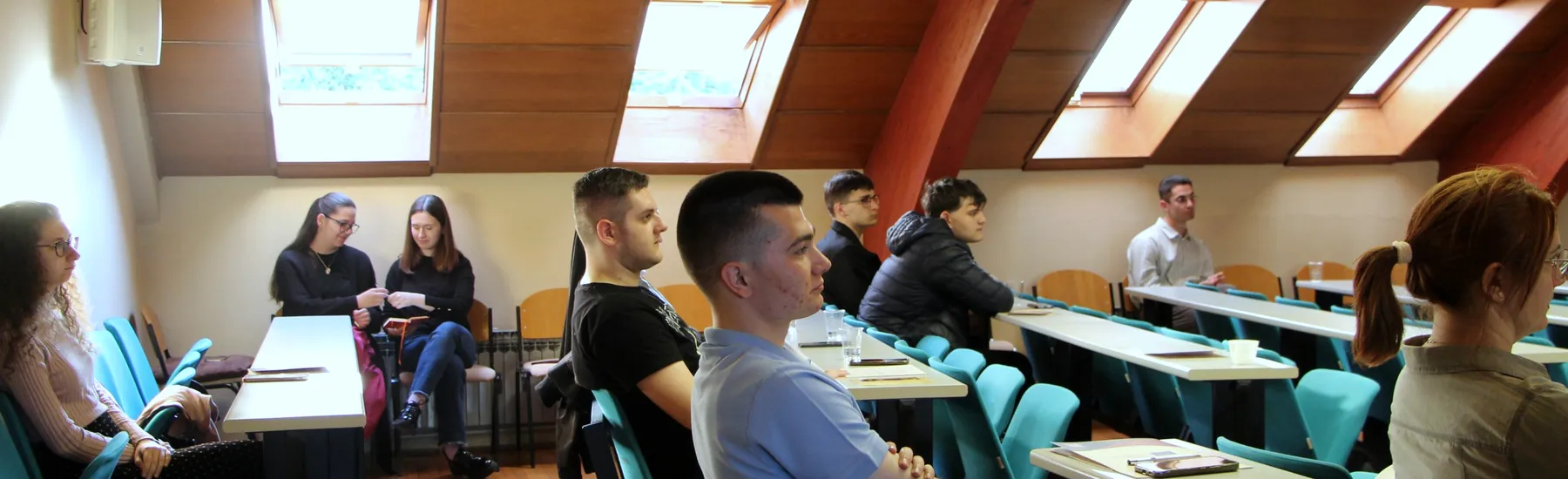
Reconciliation needs more than one perspective.

The research joins scholarly precision with questions that bear directly on the relationships between people.

ON THE SUBJECT

PAXMED examines mediation and reconciliation by bringing together philosophical, theological, psychological and legal perspectives. Each sheds light on a different dimension of conflict and of restoring relationships, while mediation makes it possible to join them into a shared theoretical and practical framework.

Five academic perspectives

  • 01

    Philosophy

    Examines the concepts of justice, truth, responsibility, freedom, recognition and the relationship to the other. Philosophical analysis makes it possible to clarify critically the assumptions on which different understandings of conflict, dialogue and reconciliation rest.
  • 02

    Theology

    Examines the ethical and spiritual dimension of forgiveness, reconciliation, responsibility and the restoration of relationships. Particular attention is given to how spiritual traditions can contribute to a culture of encounter without bypassing the demands of truth and justice.

  • 03

    Psychology

    Examines the emotional, cognitive and interpersonal processes that shape how conflicts arise, deepen and are resolved. Questions of communication, trust, taking the other's perspective and the psychological preconditions of constructive dialogue are especially important.

  • 04

    Education and formation

    Examines the role of upbringing and education in developing a culture of dialogue, non-violent conflict resolution and mutual understanding. Particular attention is paid to developing communication and mediation competences and educational models that foster empathy, responsibility and the building of trust.

  • 05

    Law

    Examines the normative and institutional frameworks of mediation and peaceful dispute resolution, and the relationship between the autonomy of the parties, the protection of rights, responsibility and a just outcome.

AN INTEGRATIVE FRAMEWORK

An interdisciplinary approach to mediation and reconciliation

Mediation is where these perspectives meet. PAXMED sees it not merely as a technique for settling disputes, but as a structured process that opens questions of communication, responsibility, justice, trust and the possibility of restoring damaged relationships.

An interdisciplinary approach allows mediation to be studied at once as a legally regulated procedure, an interpersonal process, an ethical practice and a space in which questions of reconciliation and its spiritual dimension can be opened.

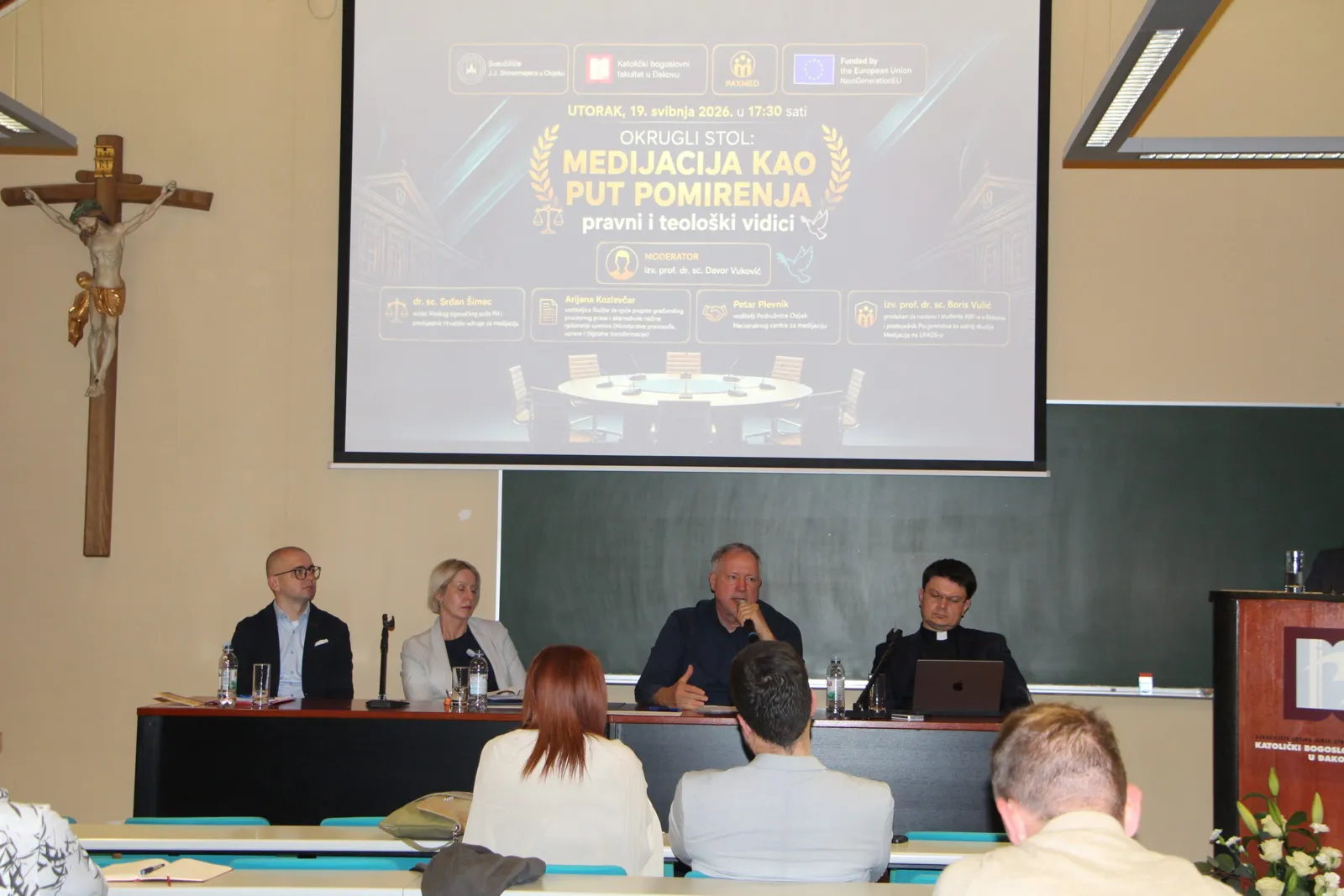
Round table “Mediation as a Path to Reconciliation: Legal and Theological Perspectives” at the Catholic Faculty of Theology in Đakovo
Diagram: philosophy, theology, psychology and law flow into mediation, which joins them into a shared theoretical and practical framework.

METHODOLOGY

From research to application

01

Investigate

Analyse how different disciplines understand conflict, responsibility, dialogue, forgiveness, reconciliation and the possibilities of restoring relationships.

02

Connect

Identify points of contact and difference between disciplinary approaches and develop an interdisciplinary model of mediation and reconciliation.

03

Apply

Carry the research findings into education for mediation, academic publications, open learning materials and work in the community.